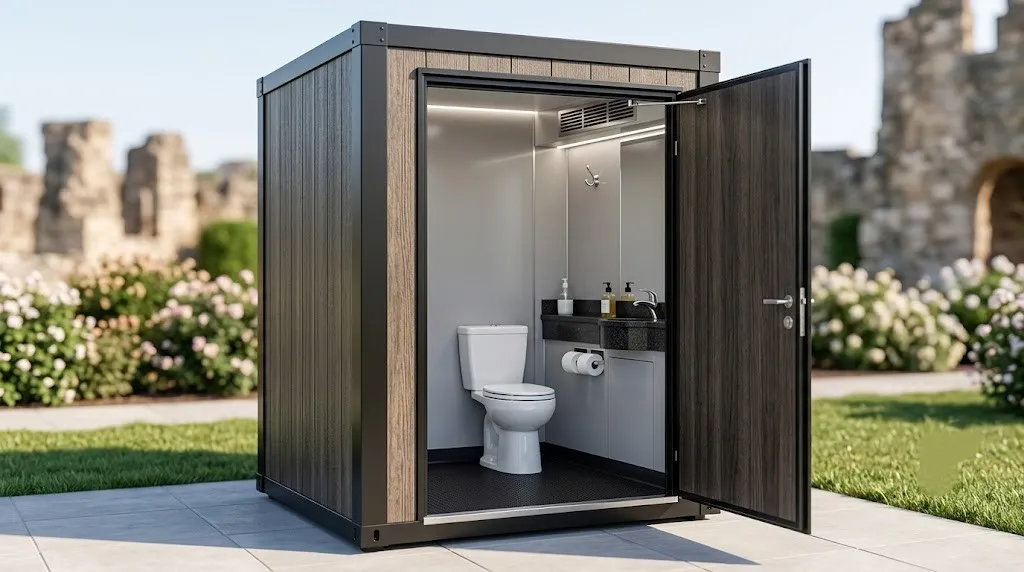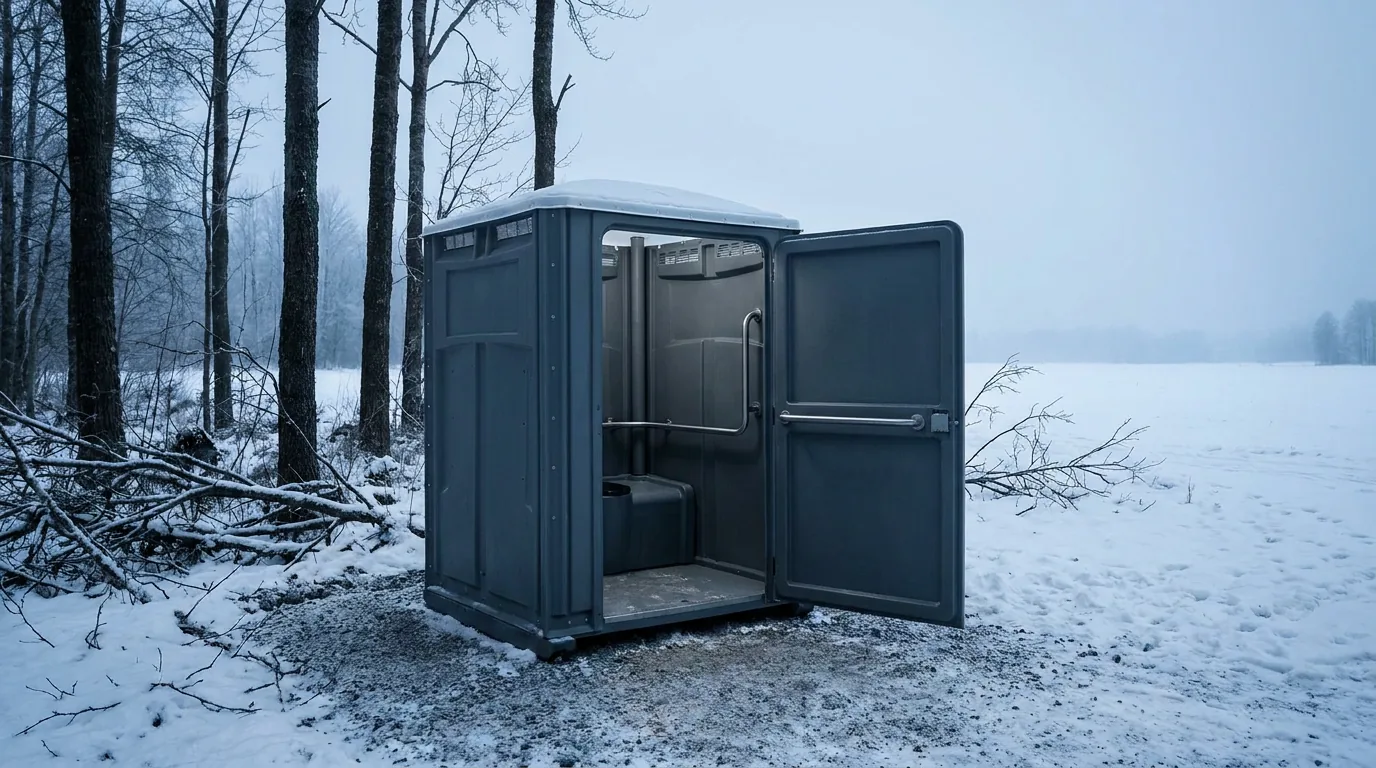
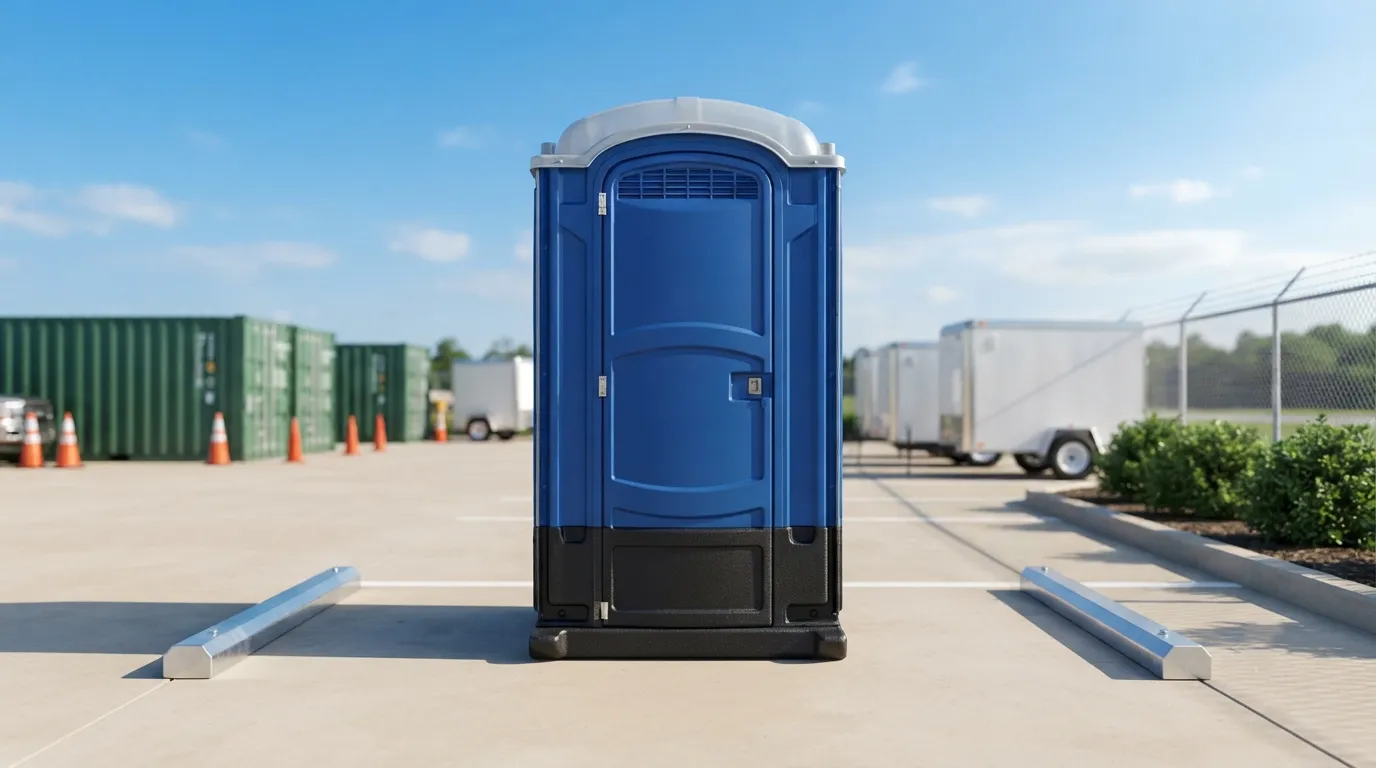
Standard porta potty
$125 to $250 a weekend
Rochester, NY
A porta potty holds waste in a sealed tank below the seat, usually 60 to 70 gallons, mixed with a blue deodorizing chemical that breaks down solids and cuts odor. No water, no flushing, no pipes. A service tech pumps the tank on a set schedule and refills the chemical each visit. That is the whole system.
Picture a construction worker running to the porta potty on break, five minutes to get in and out before the crew starts back up. The unit is self-contained, so it does not need a water line or a sewer hookup, which is why it shows up on job sites all over Rochester with zero site prep. Inside, waste drops into the tank and the chemical package goes to work breaking down solids and holding down smell between services. OSHA 1926.51(c) sets the ratio construction employers have to follow: one toilet for 20 workers or fewer, then one toilet seat and one urinal per 40 workers once the crew grows past that. A foreman planning a bigger crew should check how many porta potties do I need before ordering, and it's worth reading the OSHA portable toilet requirements page too, since ratios change with headcount. Most contractors run standard porta potty rental units for general labor and add an ADA accessible porta potty when the crew or public needs one.
A flushable unit uses a small onboard freshwater tank and a foot pump or handle to push a rinse of water into the bowl after each use, instead of gravity dropping waste straight into open holding. That is the core difference between a deluxe flushable porta potty and a standard unit: the deluxe version has a flush mechanism, a hand sanitizer dispenser, and sometimes a small sink built into the same shell. The holding tank underneath still works the same way as a standard unit, just receiving pre-rinsed waste. These get requested a lot for weddings and office events around Rochester where people expect something closer to a real bathroom. If your event calls for something bigger, an 8 stall restroom trailer or 4 stall restroom trailer runs real plumbing with a fresh water supply and a holding tank, which is a step up from any porta potty, flushable or not.
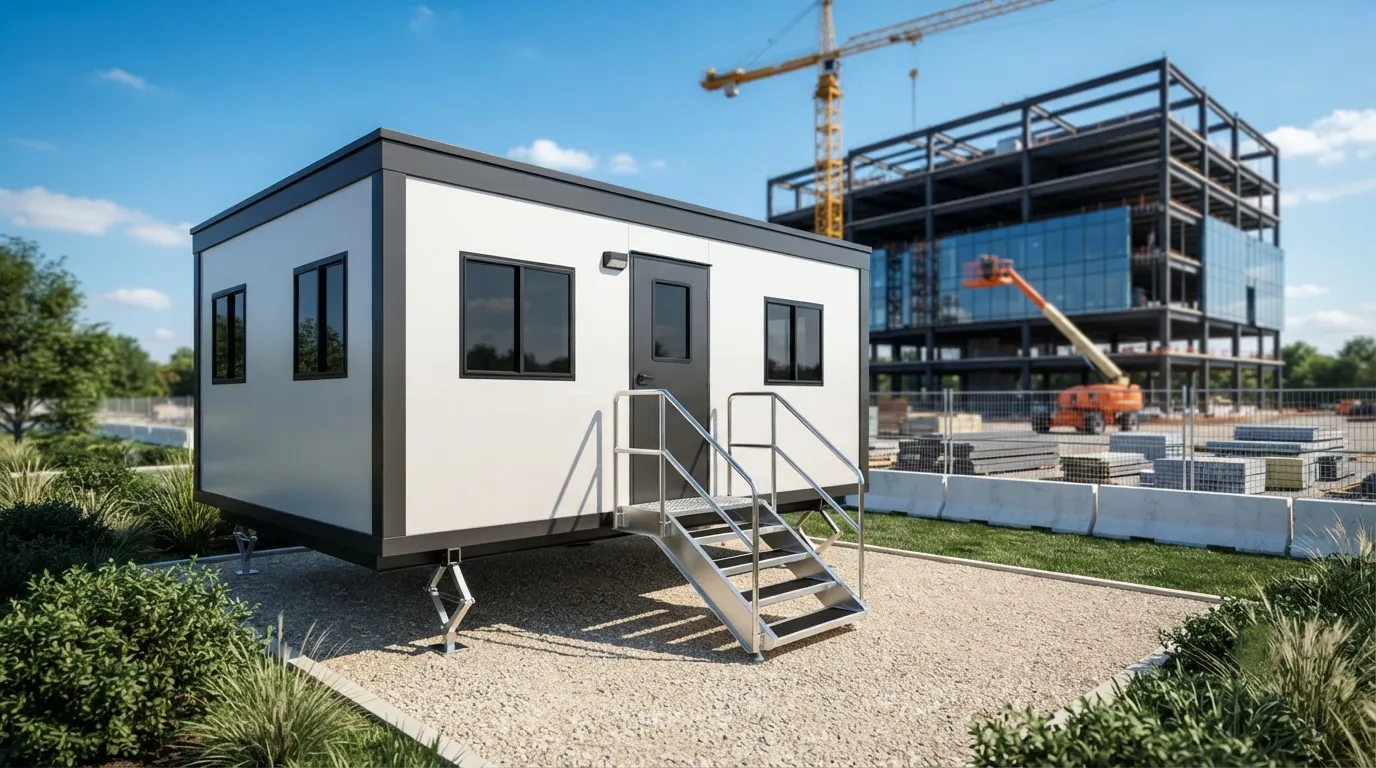
Camping and small outdoor event units work the same basic way as a job site unit, just smaller and easier to move by hand. The tank holds waste, the chemical breaks it down, and there is no water or power needed at the campsite. For weekend camping trips or small family gatherings, a single portable toilet rental unit usually covers the group, serviced once before pickup rather than mid-rental. Groups planning something along a race route or trail should look at marathon and race restrooms, since placement along a route works differently than a fixed campsite. Anyone weighing a camping porta potty against a full restroom trailer should think about how many days they need coverage and how far the unit has to travel to get there, since Rochester deliveries to towns like Penfield, 12.3 miles east, or Chili, 10.9 miles southwest, factor into scheduling.
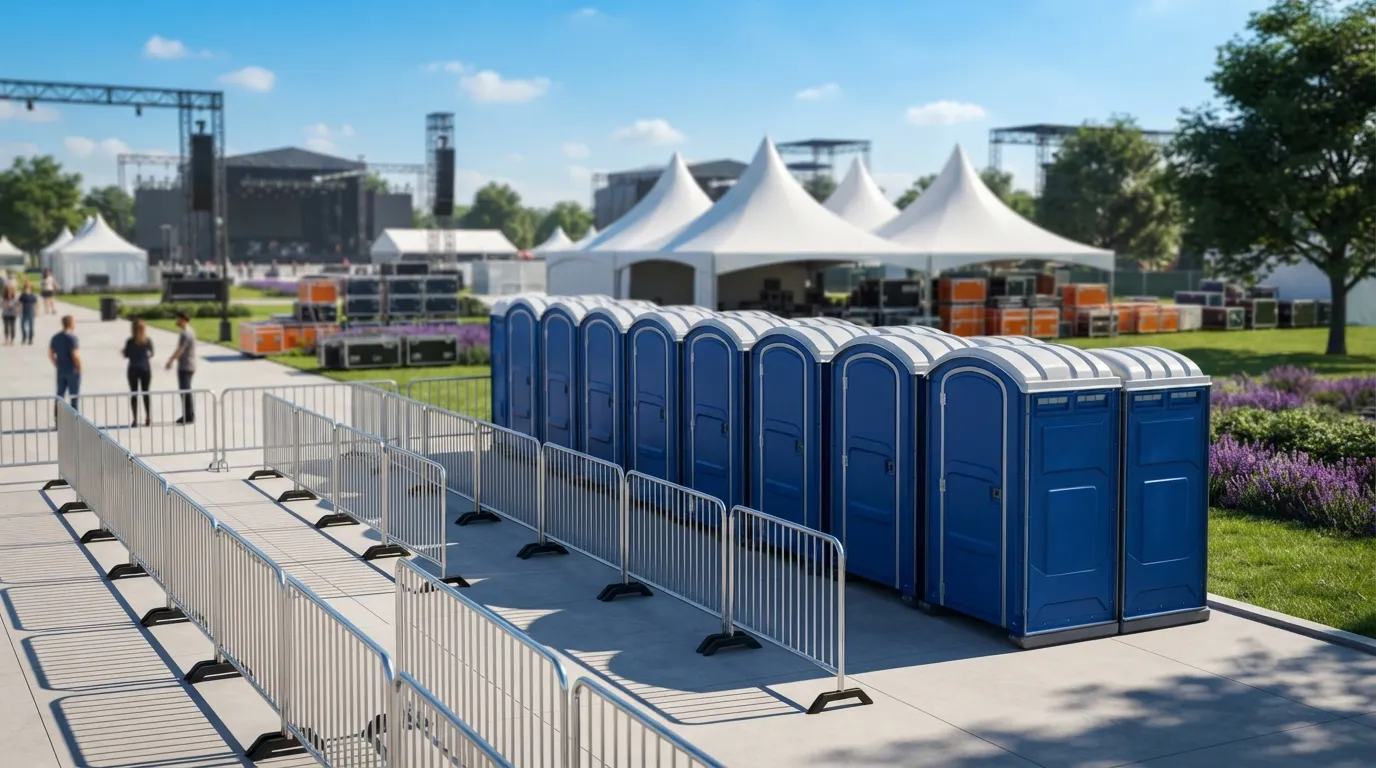
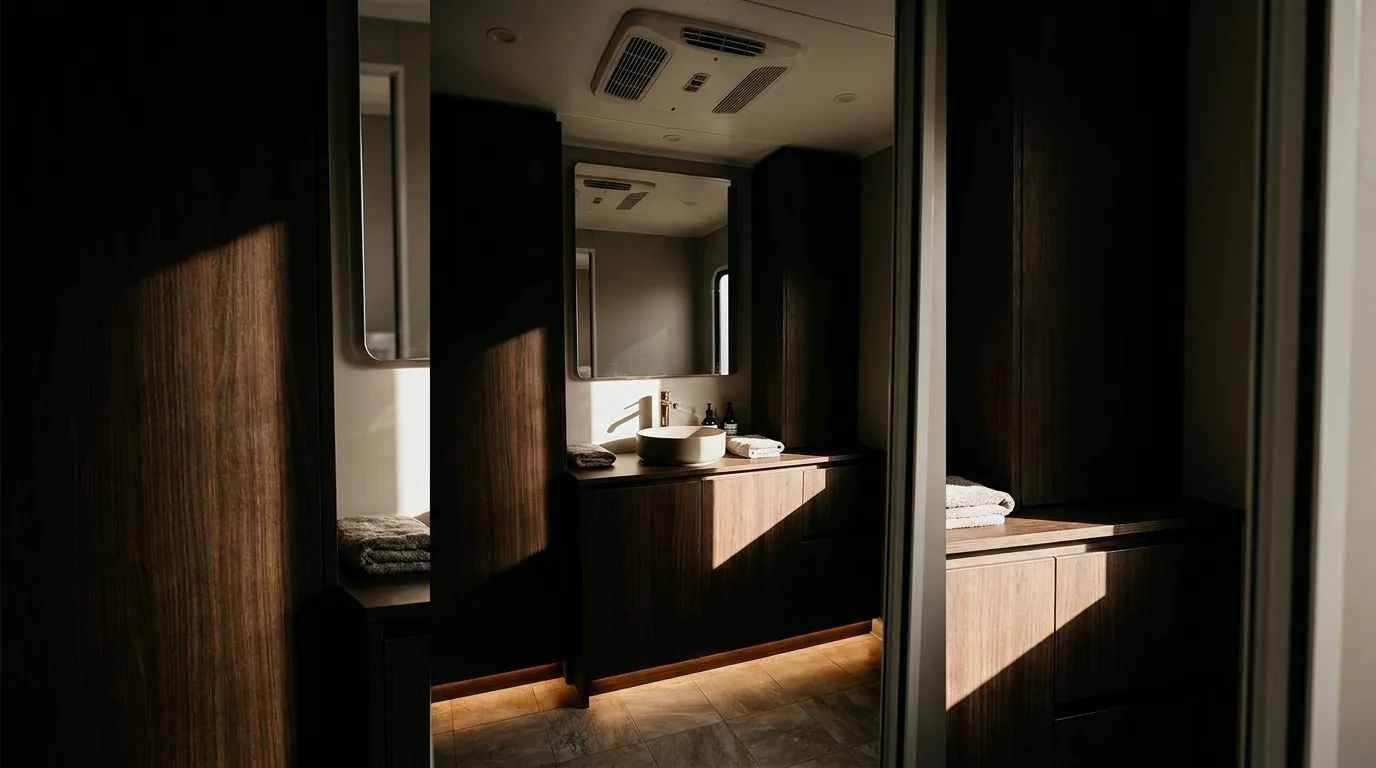
A portable sink runs off its own onboard fresh water tank, pumped by foot pedal or a small 12 volt pump, draining into a separate gray water tank underneath, no plumbing hookup required. Soap and paper towels sit in a dispenser built into the unit. This matters because hand sanitizer alone does not satisfy 29 CFR 1910.141(d)(2), which requires soap and towels or a hand drying device at washing facilities. Job sites doing paint, coatings, herbicide, or insecticide work have an added obligation under OSHA 1926.51(f)(1), which specifically covers washing facilities where those contaminants are present. A handwashing station rental or portable sink rental covers that requirement without running a water line to a trailer. Some crews pair a hand sanitizer station rental alongside a sink for entrances and break areas, though sanitizer stations do not replace the sink where the regulation applies. Check handwashing station requirements before assuming sanitizer alone covers a site.
Septic tank cleaning chemicals matter here too. The same enzyme and bacteria-based products used in porta potty holding tanks show up in home septic systems, and a residential tank is typically pumped every 3 to 5 years depending on tank size and household use. If a tank backs up between pumpings, that is a sign covered on septic tank warning signs, and restaurants running a grease interceptor should know it needs pumping once fats, oils, grease and solids hit 25 percent of the liquid depth, covered on grease trap pumping.
| unit | duration | typical price |
|---|---|---|
| standard | day | $150 |
| standard | week | $200 |
| deluxe | week | $250 |
| ada | week | $185 |
Pricing above reflects Rochester market averages; see porta potty rental cost for the full breakdown by unit and duration.
Yes. ANSI/PSAI Z4.3 sets a baseline service interval of once a week for up to 10 users over a 40 hour week, though busier sites need more frequent visits. Rochester Porta Pros schedules service based on headcount, not a flat calendar date. See how often are porta potties cleaned for details.
Some odor is normal between services, especially in warm weather, but a well-serviced unit with fresh chemical should not smell strongly. Ventilation vents and the chemical package both help control this. Full answer on do porta potties smell.
ADA Standards 304.3.1 calls for a 60 inch turning circle, and 404.2.3 sets minimum door width at 32 inches. Standard units do not meet either spec, which is why ADA units are wider and taller. Details on ADA restroom requirements.
The tank chemical resists freezing at moderate cold, but hard freezes can still stop the mechanism. Rochester winters call for extra antifreeze treatment and sometimes heated units. See porta potty in winter for what changes.
Placement in the public right of way needs confirming with the city; check porta potty permit requirements before ordering for a street-facing spot. Driveway or yard placement usually skips that step. See porta potty placement guide for spacing.
What we rent
Typical Rochester ranges, not a quote. Delivery is $50 to $150 and a weekly service visit $30 to $60. See the full cost breakdown.
$125 to $250 a weekend
$200 to $350 a weekend
$199 to $300 a weekend
Quoted by stall count
The rest of the yard
We deliver across Monroe County and the surrounding metro:
Next step
Tell us the address, the dates and the headcount. We size the order and confirm the route.