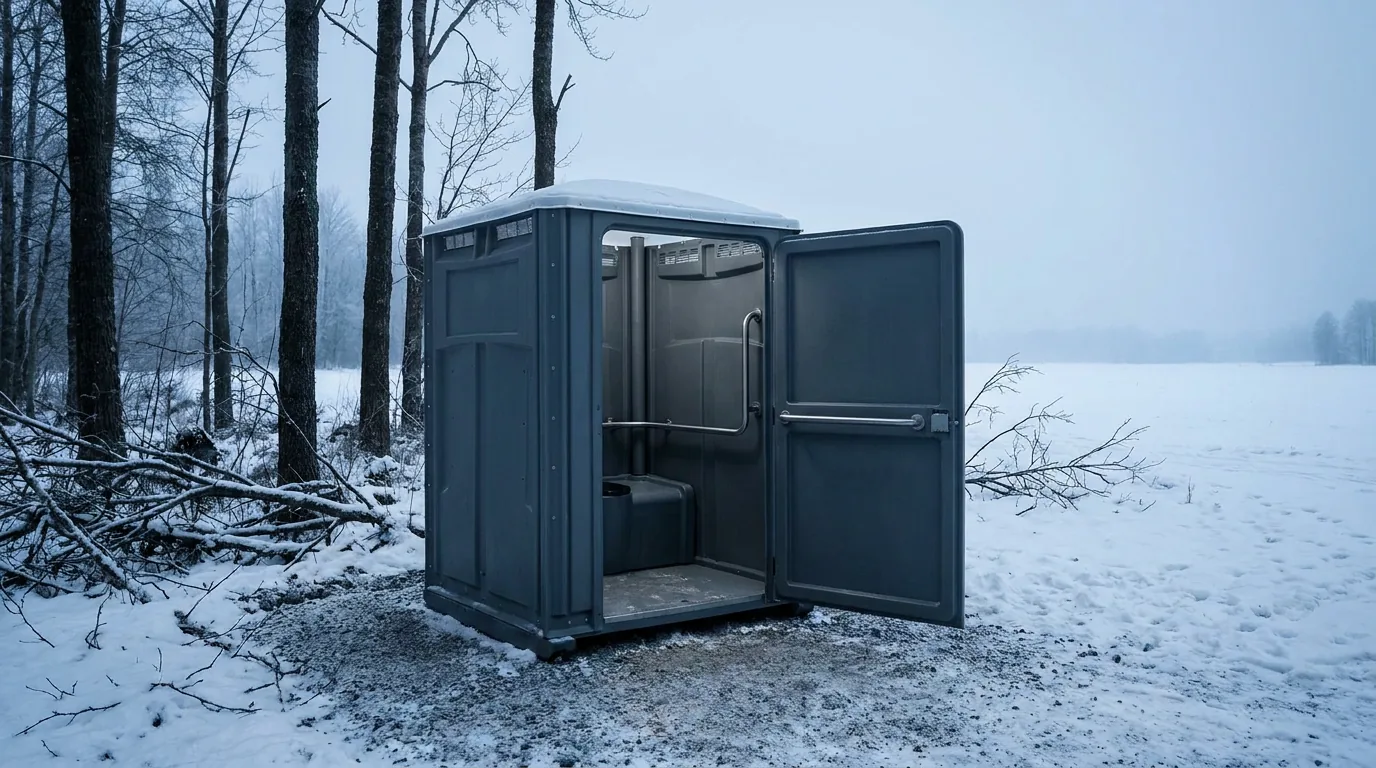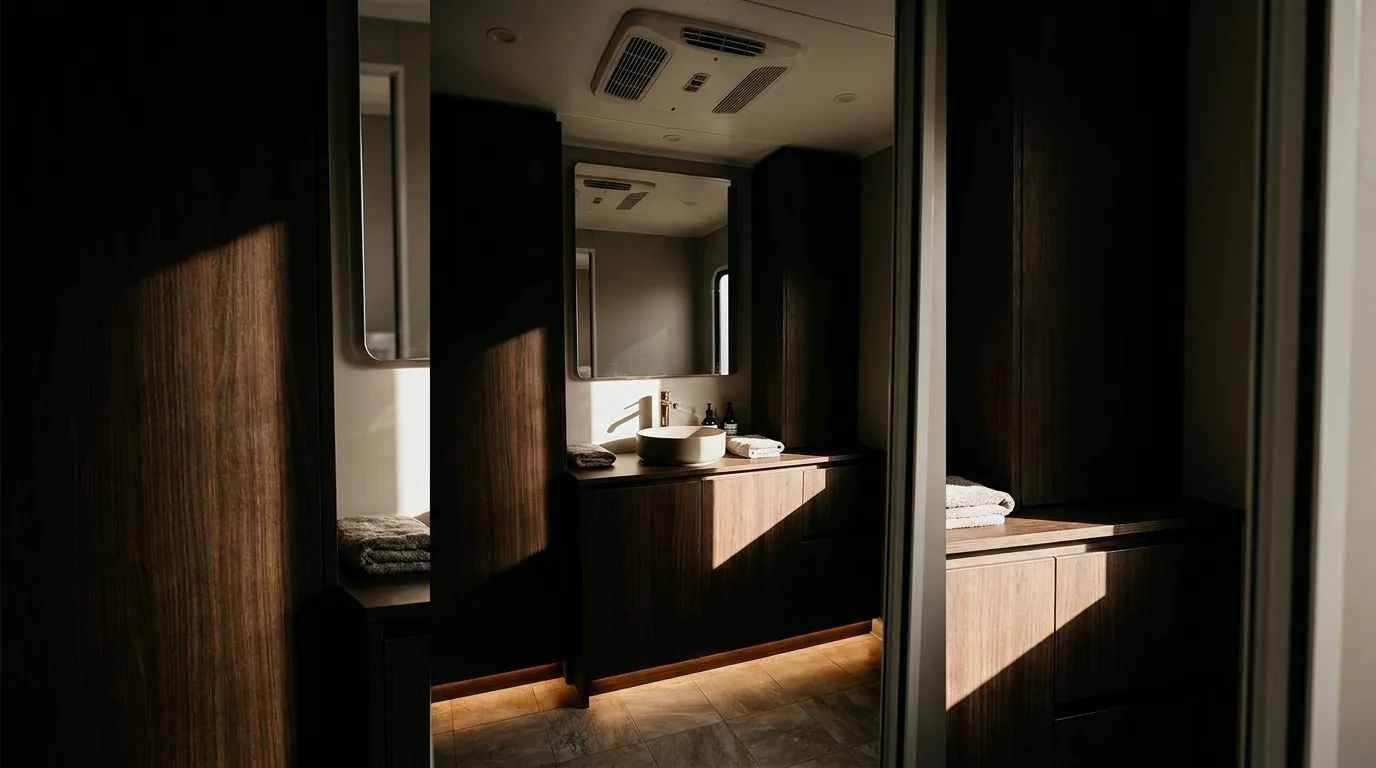
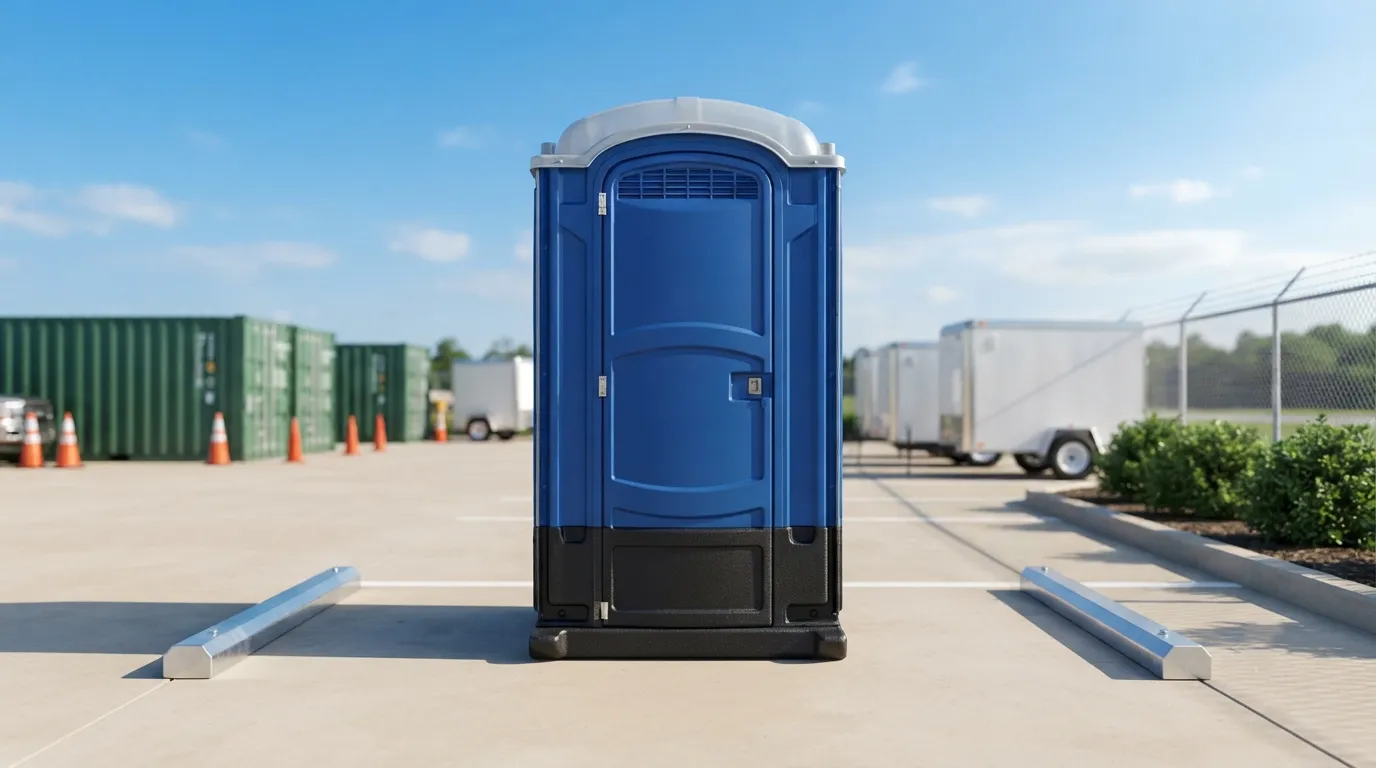
Standard porta potty
$125 to $250 a weekend
Rochester, NY
A residential septic tank typically needs pumping every 3 to 5 years, depending on tank size and household size. That's the standard guidance homeowners in Rochester and towns like Irondequoit can plan around. Bigger households and smaller tanks push toward the 3-year mark. Smaller households with larger tanks can stretch closer to 5.
The 3 to 5 year window is the baseline, but it moves depending on what's feeding the tank. A household of six running laundry, dishwashers and long showers fills a tank faster than a couple living alone, and knowing how many porta potties do I need follows similar per-person math when you're staffing a job site instead of a home. Garbage disposals add solids to the tank faster than most people expect, which shortens the interval too. If you're not sure where your property sits in that range, Rochester Porta Pros can walk the math with you during a septic pumping service call. Watching for septic tank warning signs, like slow drains or a soggy patch over the leach field, tells you more than a calendar does. Waiting too long between pumpings lets solids migrate into the drain field, and that's the expensive failure. Pumping too often just costs money for no reason, the same way renting a 10 yard dumpster rental for a job that needs a 30 wastes money on the other end of site work. The right interval is somewhere in that 3 to 5 year band, tightened or loosened based on your actual household. For a straight answer on septic tank pumping cost once you know your interval, we can quote it before the truck shows up.
Tank size versus household size is the whole equation. A bigger tank holds more before solids reach the outlet baffle, so it buys you more time between visits. A small tank under a big family gets pumped more often, plain and simple, similar to how a construction site services plan has to scale with crew size. Homes on Rochester's outskirts, from Chili to Perinton, often have older tanks sized for smaller households than what's living in the house now. That mismatch is the most common reason we get called out earlier than the standard interval suggests. Water usage patterns matter too, the way a portable sink rental sees heavier use on a crew that's mixing concrete all day. Homes that run water softener backwash into the tank, or that have a whirlpool tub getting heavy use, add volume the tank has to process. If your property also has a grease interceptor from a home business or accessory kitchen, that's a separate service: those get pumped once fats, oils, grease and solids reach 25 percent of the liquid depth, and we cover that under grease trap pumping. For most single-family homes though, it's tank size and household size, full stop, though renovation crews asking about a home renovation porta potty face a similar sizing question.

Skip a pumping and solids that should stay in the tank start moving into the drain field. Once that happens, you're not looking at a simple pump-out anymore, you're looking at field repair, which costs far more and takes longer to fix. The tank has two jobs: hold solids and let clarified water leave through the outlet. When it's overdue, that separation breaks down, much like how handwashing station requirements break down if a site skips servicing altogether. This is the same logic behind commercial requirements like OSHA 1926.51(c)(1), which sets toilet ratios for job sites, and behind field sanitation rules under OSHA 1928.110 for agricultural operations, one facility per 20 workers within a quarter mile walk. Different context, same principle: systems fail when capacity gets outpaced by demand, whether that's a septic tank or a temporary fence rental perimeter stretched past what it can hold. Staying inside the 3 to 5 year window keeps your drain field doing its job for decades instead of years, the same forward planning that goes into a dumpster rental cost estimate before debris piles up. If you're building or renovating and need interim sanitation while septic work happens, emergency septic service and a holding tank rental can bridge the gap without putting stress on a system that's already due.
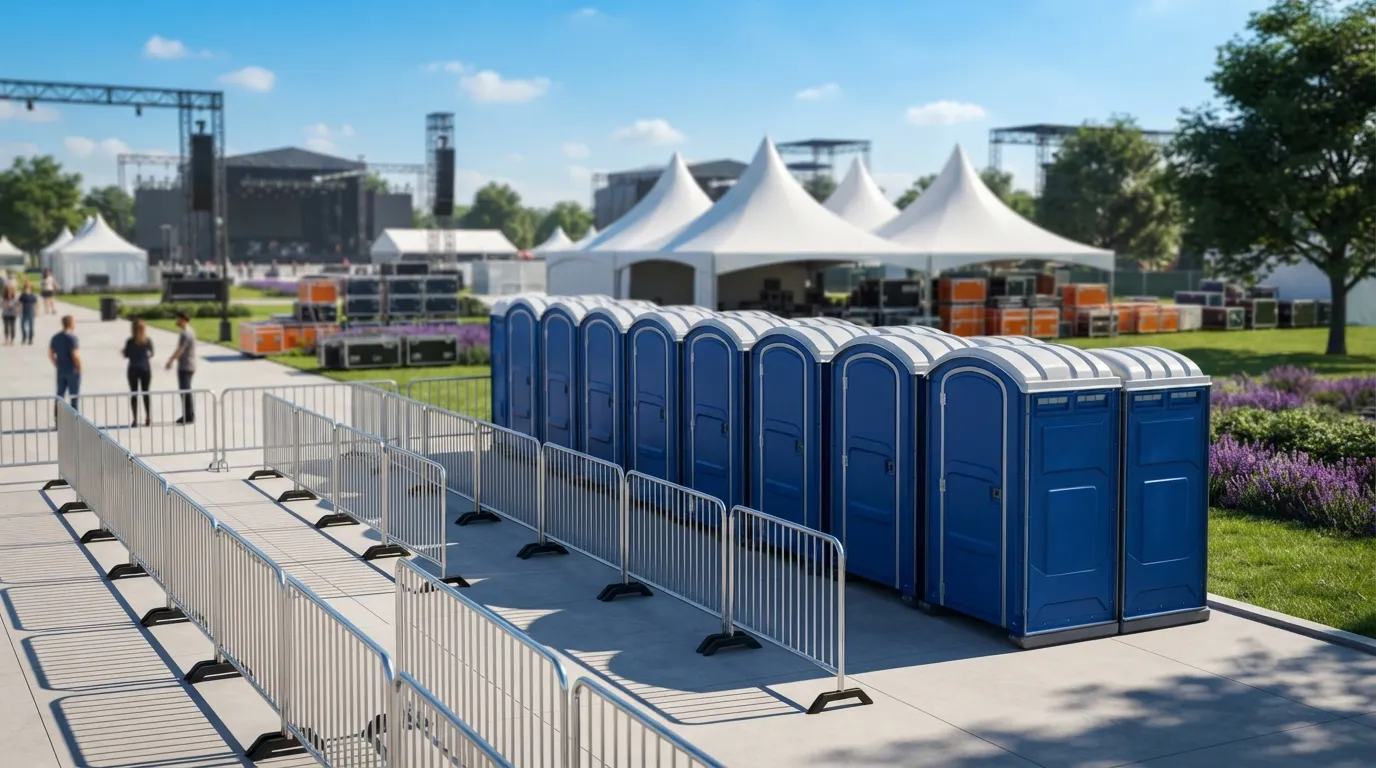
Fall and spring are the easiest windows to book, before ground freezes or before summer entertaining season loads up the system, much like scheduling a porta potty rental ahead of a busy season instead of scrambling. Rochester winters make emergency access harder once the ground is frozen solid, so waiting until a backup forces the issue is the wrong plan, a lesson covered in porta potty in winter planning too. If you're planning ahead, septic tank cleaning scheduled a season early costs less stress than a reactive call in January. Households near Irondequoit, about 4.8 miles northeast of downtown Rochester, and out toward Henrietta, 9.3 miles south, deal with the same freeze concerns as anyone closer in. If you're hosting an event and need backup restrooms while septic work is underway, look at event restroom rental or a restroom trailer rental to keep things running. For property managers juggling multiple septic systems across Rochester and towns like Brighton or Penfield, batching pumping visits by season keeps costs and scheduling simpler than one-off emergency calls, the same logic behind a storage container rental kept on site year-round instead of shuffled in and out.
Slow drains, gurgling pipes, or standing water over the drain field are the clearest signs. Don't wait for a backup inside the house. If it's been more than 5 years since the last pumping, or you're unsure when it was last done, schedule an inspection. Catching it early costs less than catching it late.
Sizes vary by household, but most residential systems fall in the 1,000 gallon range or larger. Tank size is one half of the pumping frequency equation, alongside household size. A larger tank buys more time between services, all else being equal.
No. Septic pumping requires a vacuum truck and proper disposal, which homeowners don't have access to. Rochester Porta Pros handles the pumping, transport and disposal in one visit, which keeps you compliant and keeps the job off your hands entirely.
Yes, significantly. A larger household generates more wastewater and solids, which fills the tank faster. Two people in a home with a 1,000 gallon tank might stretch to 5 years, while six people in the same house might need pumping closer to every 3 years.
Solids build up past the tank's capacity and start flowing into the drain field, which clogs the soil and can cause a full field failure. That repair costs far more than routine pumping and can take the system offline for weeks. It's the outcome the 3 to 5 year interval is built to prevent.
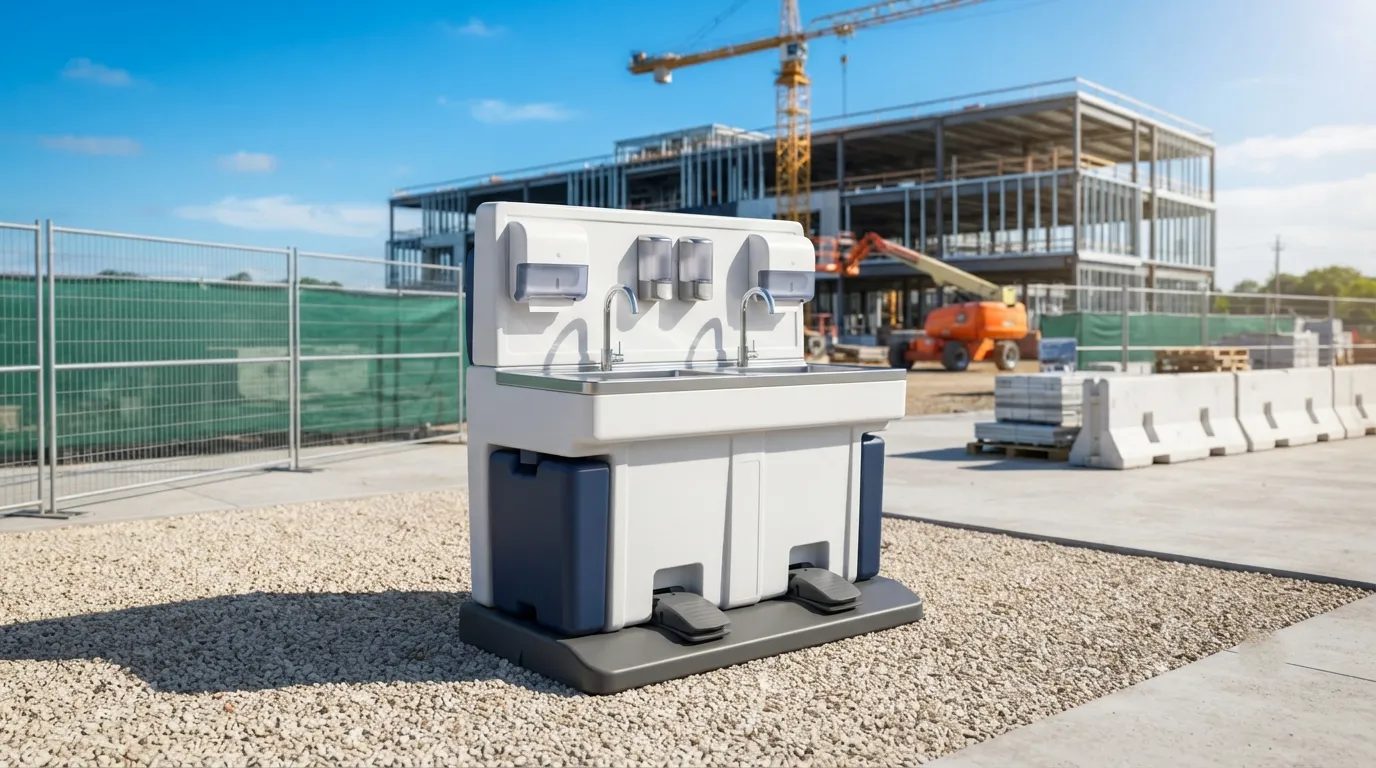
What we rent
Typical Rochester ranges, not a quote. Delivery is $50 to $150 and a weekly service visit $30 to $60. See the full cost breakdown.
$125 to $250 a weekend
$200 to $350 a weekend
$199 to $300 a weekend
Quoted by stall count
The rest of the yard
We deliver across Monroe County and the surrounding metro:
Next step
Tell us the address, the dates and the headcount. We size the order and confirm the route.